Attitude Makeover: Bad Temper
Diagnosis
Antidote: Self-Control, Calmness, Peacefulness"Take that!"
Dear Dr. Borba,
My husband and I are very concerned about our seven year old. Don't get me wrong: he's a good kid and does well in school, but he has such a quick temper! The littlest things seem to set him off. He gets himself so worked up and usually ends up lashing out at his brothers and friends. We're afraid he's going to hurt someone and get into serious trouble or lose his friends. Is there anything we can do to help him?
Carol R., mom of three from Oklahoma City
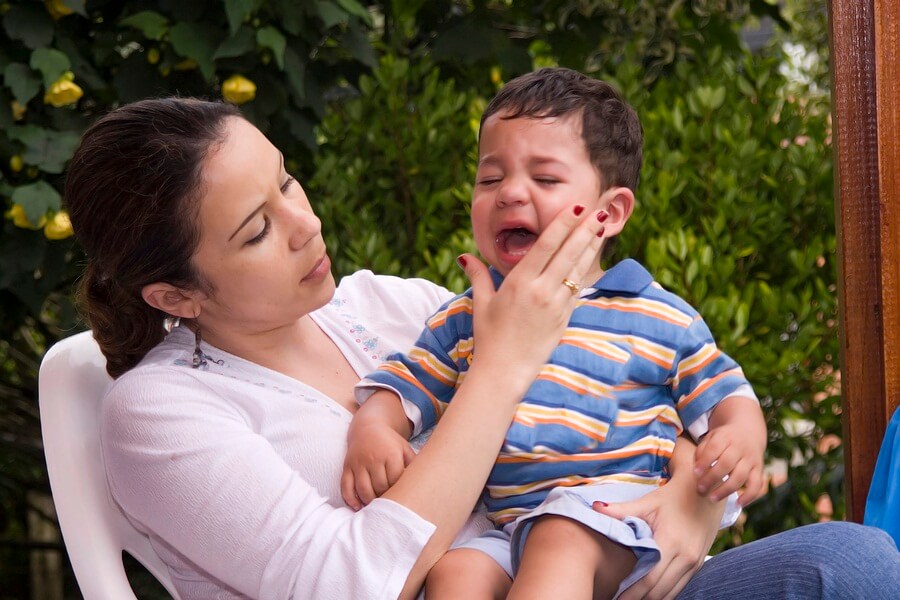
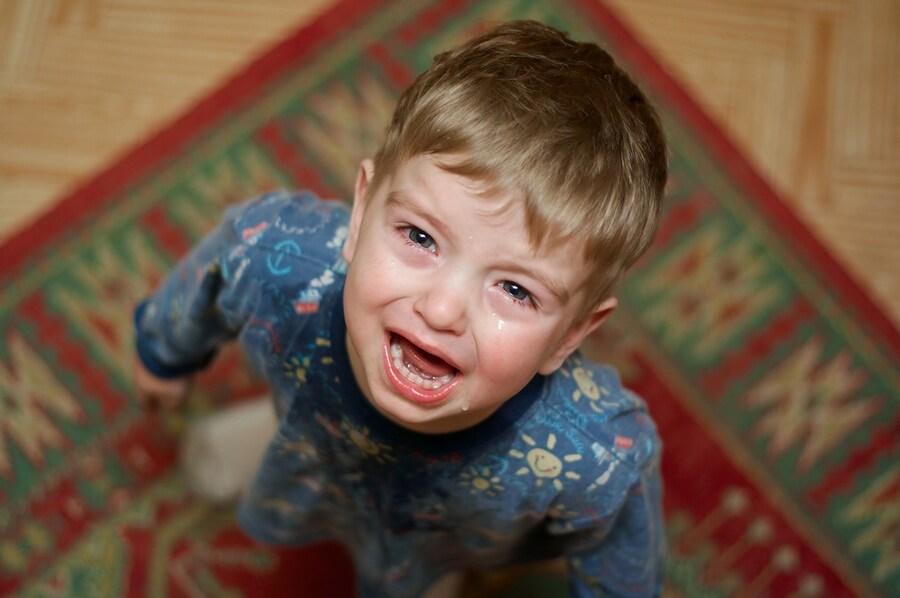
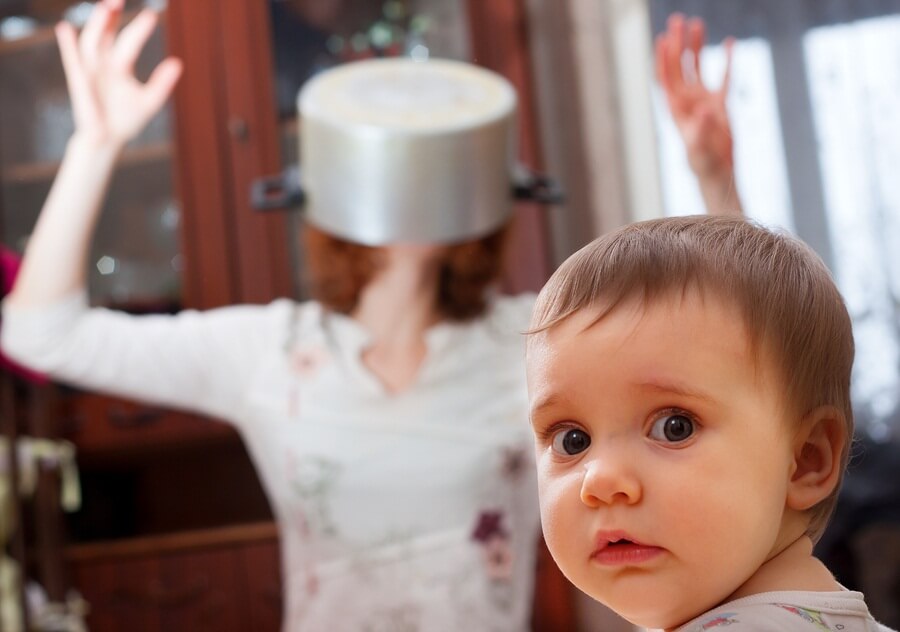
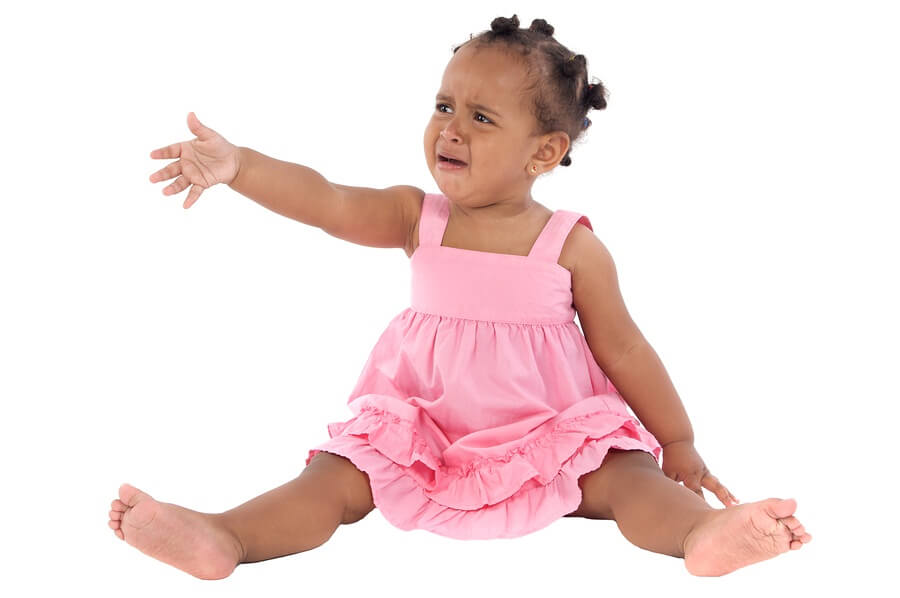
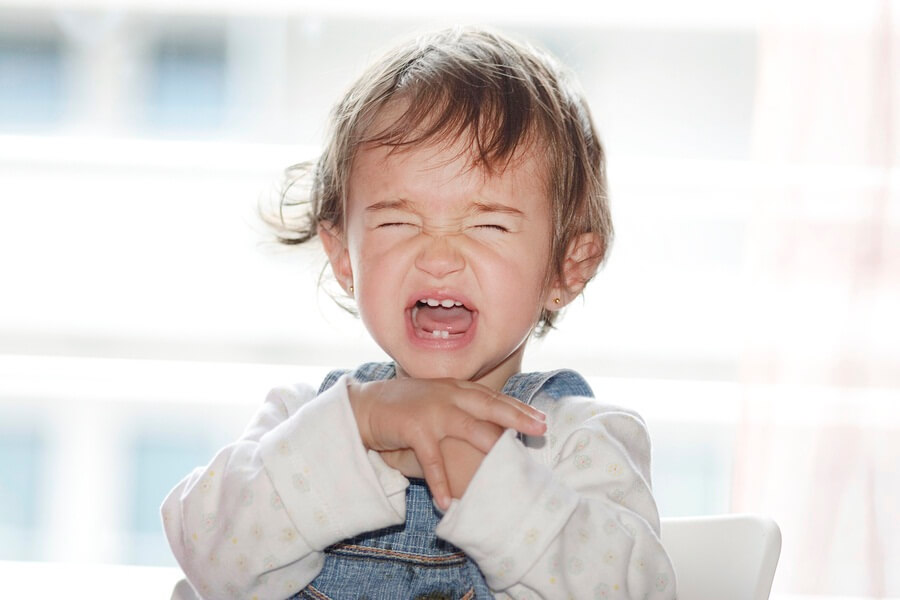
Yelling. Fighting. Hitting. Name-calling. Tantrums. Biting. Sound familiar? They are typical behaviors bad-tempered kids use to make their needs known and to get their way. Yes, they are signs of poor self-control, but they are also signs of selfish and rude attitudes. Need proof? Just be in the company of a screaming, tirading toddler or explosive teenager, and in seconds you know this child sure isn't thinking about others. He is concerned only about getting his agenda met, and the antics he uses to achieve that aim are anything but civil. In fact, he's a leading candidate for membership in the Big Brat Factor All-Stars.
Teaching kids a new way to cope with their intense feelings is not easy, especially if they have been in the habit of using quick tempers to deal out their frustrations. Calming a hot temper is not only teachable but also essential for growing up in a sometimes violent, unpredictable world. Besides, eliminating this behavior will do absolute wonders in creating not only a calmer kid who is far more enjoyable to be with, but also a more peaceful family. So don't wait! Begin your child on the path of self-control, calmness, and peacefulness by starting this attitude tune-up right now.
Emergency Attitude
Take a hard look at how you handle your temper. Kids do copy our attitudes and behaviors, so keep a lid on, stop yelling, stifle your road rage and other outbursts, and make sure your kid has a good model.
Bad Attitude Alert
Nip that bad-tempered attitude in the bud by quickly focusing on how it started.
Diagnosis
Sure, some kids are born with quicker fuses, but anger can be managed, and tempers can be controlled. And more often than not, quick tempers are learned. The statements that follow describe behaviors usually displayed by kids who flaunt quick tempers and have poor self-control. How many of these behaviors are indicative of your kid?
Frequently interrupts or blurts out answers or questions
Has troubling waiting her turn
Becomes physically agitated, red-faced, starts hyperventilating, or can't think straight
Has difficulty managing her own impulses and urges; sometimes needs adult help
Has trouble calming down when excited, frustrated, or angry
Blows up, has angry outbursts, or loses control quickly
Resorts to using physical aggression, such as hitting, kicking, fighting, or pushing
Behaves recklessly
Needs reminders, coaxing, or reprimands to control temper
Has difficulty bouncing back from an upsetting or frustrating situation
How does your kid typically display his quick temper?
Excerpted from:
From Don't Give Me That Attitude by Michele Borba, Ed.D. Copyright © 2004 by Michele Borba. All rights reserved. Used by arrangement with John Wiley & Sons, Inc.
Buy the book at www.amazon.com.